
Tomato Pests That Can Wreck a Harvest and the Beneficial Solutions That Control Them
Feb 06, 2026
Table of Contents
- Spider Mites
- Thrips
- Aphids
- Whiteflies
- Cutworms
- Hornworms
- Tomato Fruitworms
- Flea Beetles
- Stink Bugs
- Nematodes (Root-Knot)
- Slugs and Snails
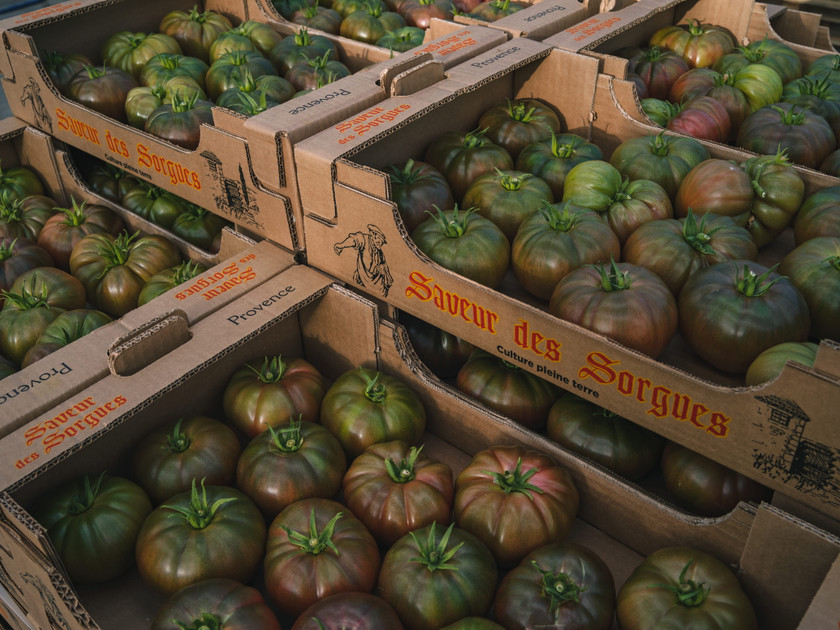
Tomatoes attract pests at every stage of growth. Sap-feeding insects weaken plants, mites damage foliage, caterpillars chew leaves and fruit, and soil pests can cause problems before symptoms are obvious. The good news is that tomato pest problems are highly controllable with beneficial insects, predatory mites, and beneficial nematodes when the solution matches the pest pressure.
At Natural Enemies, pest control follows a clear path: identify the pest problem, match the biological control to the pest pressure, and apply the correct solution to bring things back under control, or prevent problems from surfacing meaningfully in the first place.
Beneficials can be used curatively to bring pest pressure back under control and keep it there. Alternatively, beneficials can be used practively and preventively to stop pest problems from surfacing meaningfully in the first place.
Spider Mites
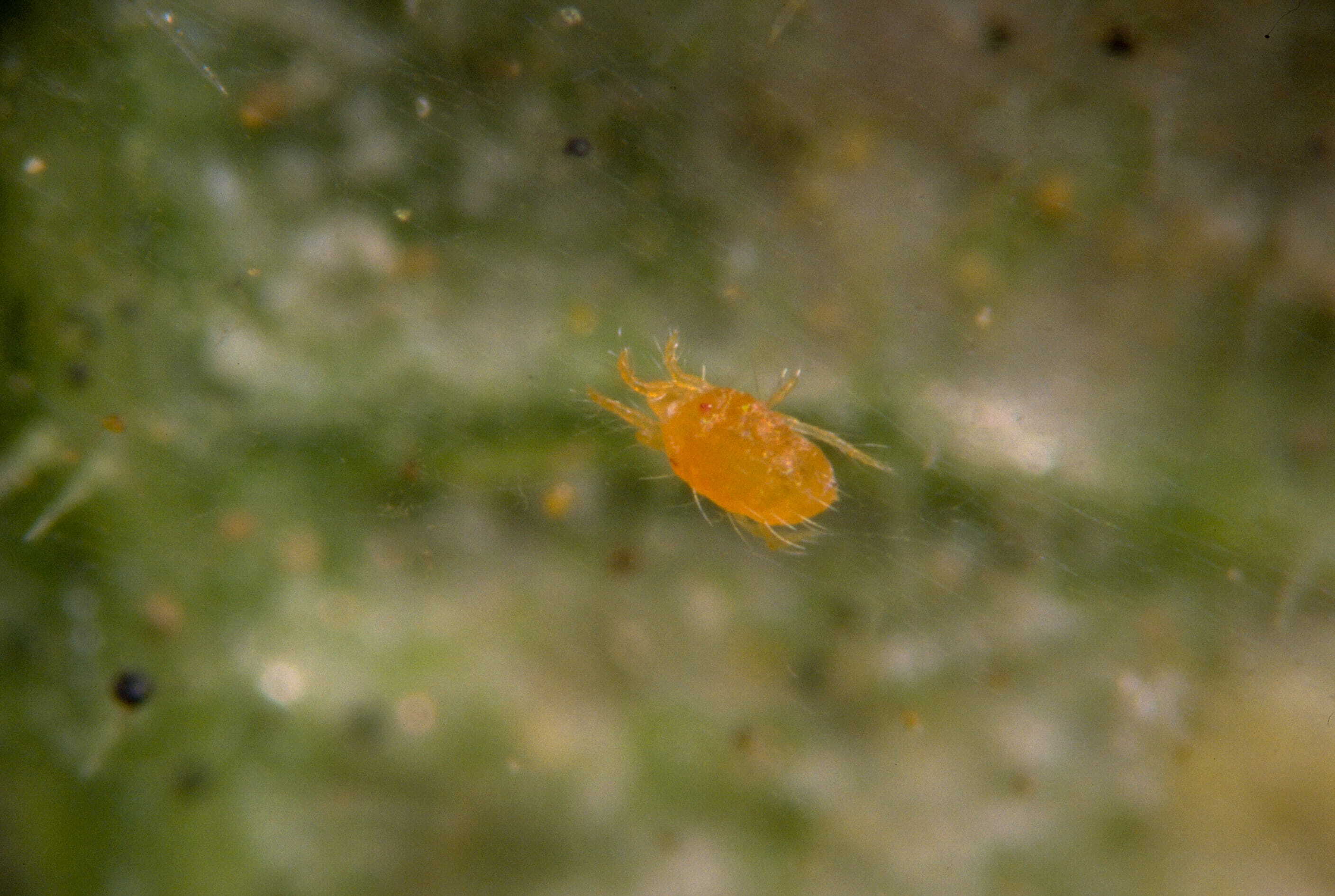
Identifying Spider Mite Pest Pressure
Spider mites are one of the most common and damaging tomato pest problems, especially during warm, dry conditions. Early signs include light stippling on leaves, followed by bronzing and fine webbing along leaf veins. Damage often begins on lower foliage and moves upward if pest pressure is not addressed.
Biological Control Solution for Spider Mites on Tomatoes
Spidex (Phytoseiulus persimilis) is the correct predatory mite for spider mite control on tomato crops. It actively feeds on spider mites and is used when pest pressure is present and control is needed. When applied correctly, Spidex brings spider mite pressure back under control and keeps it there.
Thrips
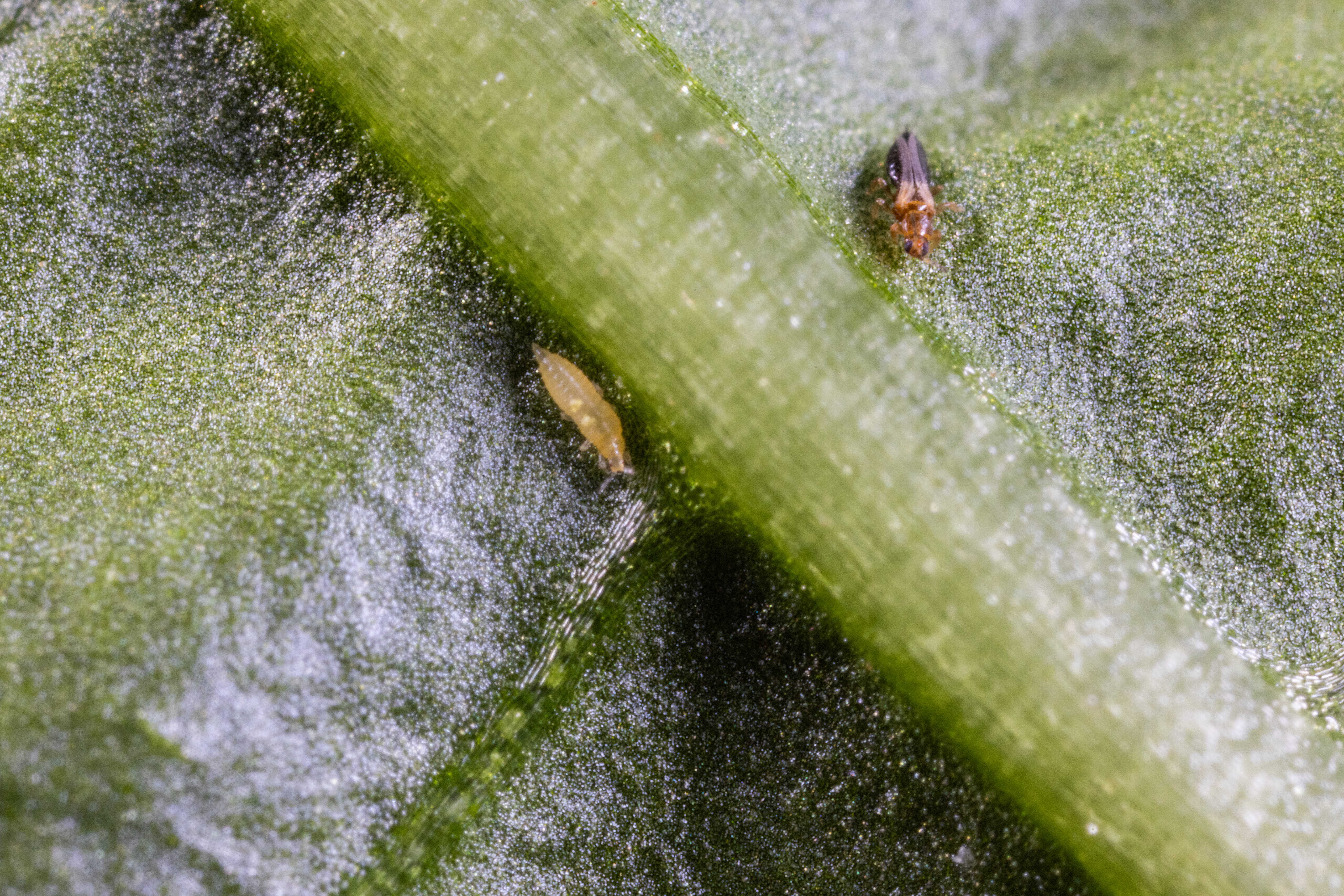
Identifying Thrips Pest Pressure
Thrips feed on plant tissue and can damage leaves, flowers, and developing fruit. Signs of thrips pressure include silvery streaking on leaves, distorted growth, and small insects found along leaf veins or within flowers.
Biological Control Solution for Thrips on Tomatoes
Thripex (Neoseiulus cucumeris) is the recommended predatory mite for thrips control on tomato crops. It feeds on thrips larvae and is used preventively or at the first sign of pest pressure. Consistent use of Thripex keeps thrips pressure under control and prevents problems from surfacing meaningfully.
Aphids
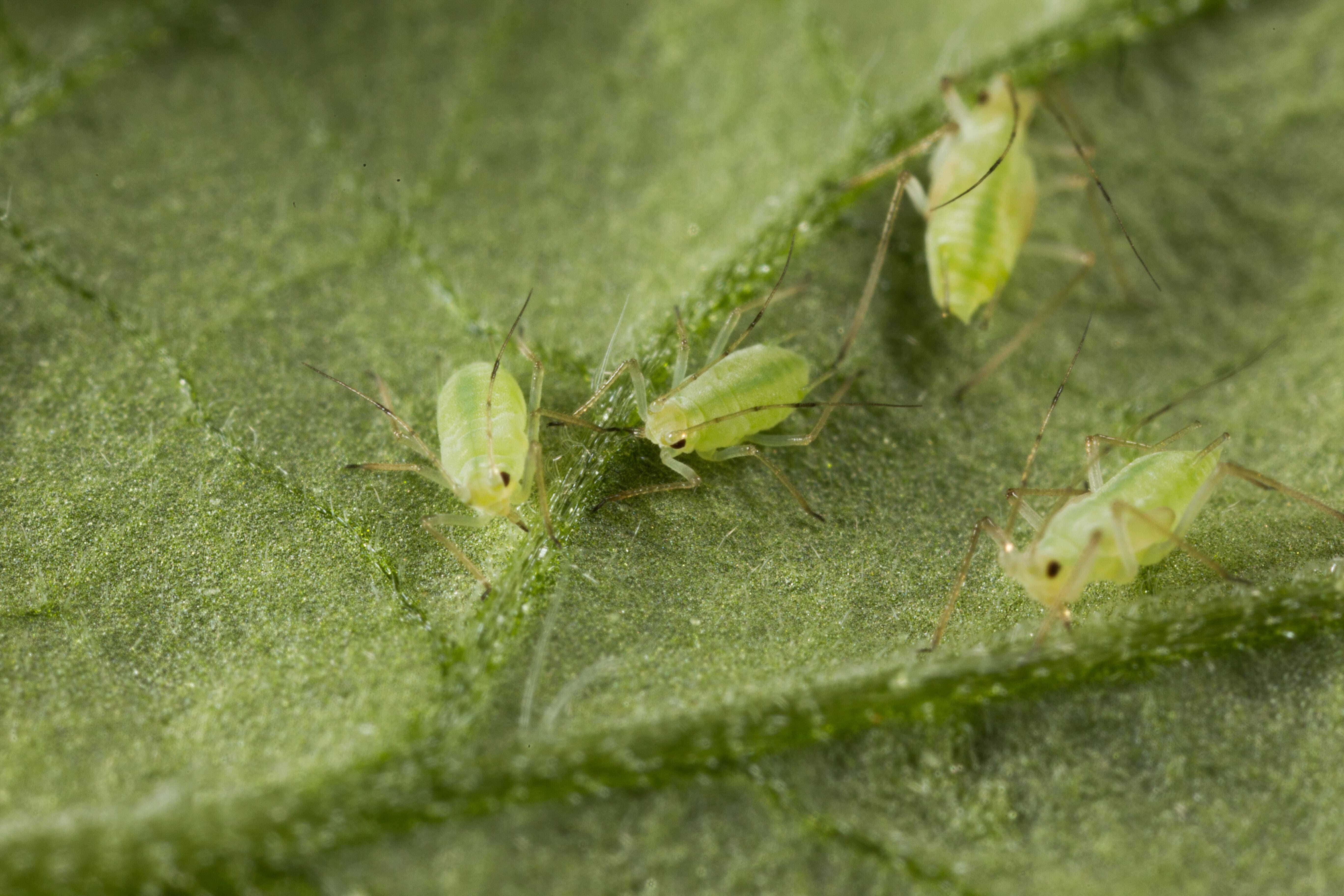
Identifying Aphid Pest Pressure
Aphids reproduce quickly on new growth and can distort leaves and stems. Pest pressure is often seen as clusters on leaf undersides and growing tips, curled foliage, and sticky residue.
Biological Control Solution for Aphids
Parasitic wasps and predators provide targeted aphid control on tomatoes. Aphipar (Aphidius colemani) is used for many small to medium aphids. Aphipar-M (Aphidius matricariae) is preferred in cooler conditions and for persistent aphid pressure. Ervipar (Aphidius ervi) is used for larger aphids such as potato aphid. Aphidoletes aphidimyza provides additional predator support when aphid pressure is active.
As control progresses, aphids turn into visible mummies. This is a normal and expected sign that biological control is working.
Whiteflies
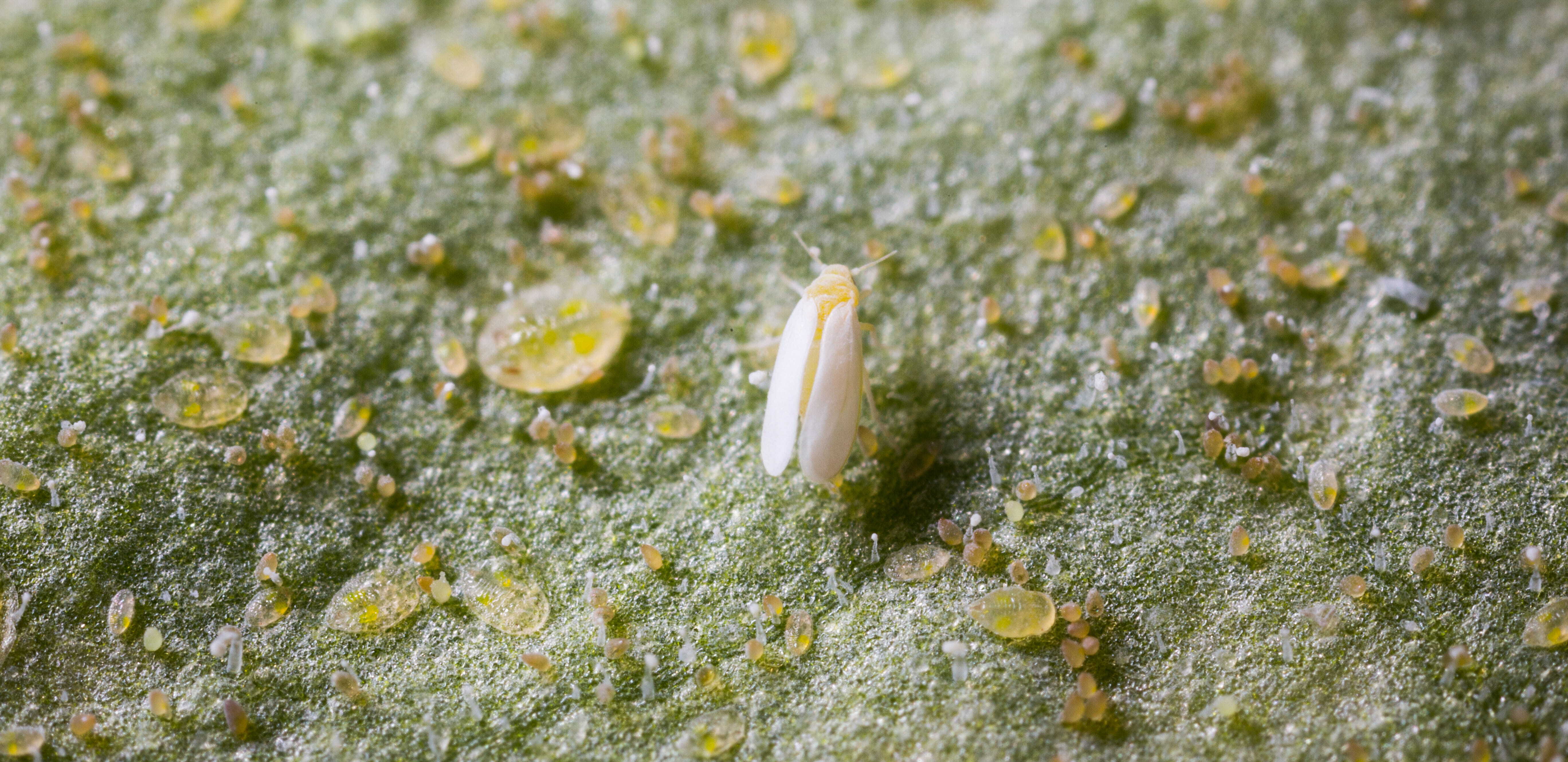
Identifying Whitefly Pest Pressure
Whiteflies weaken tomato plants by feeding on sap and contribute to sticky residue on foliage. Pest pressure is often noticed when small white insects fly up as leaves are disturbed, along with yellowing leaves.
Biological Control Solution for Whiteflies
Encarsia formosa is a proven parasitoid wasp used for whitefly control on tomatoes. It can be applied preventively or at the first sign of pest pressure. Sticky cards can be used to monitor whitefly activity and confirm that pest pressure is moving back under control.
Cutworms
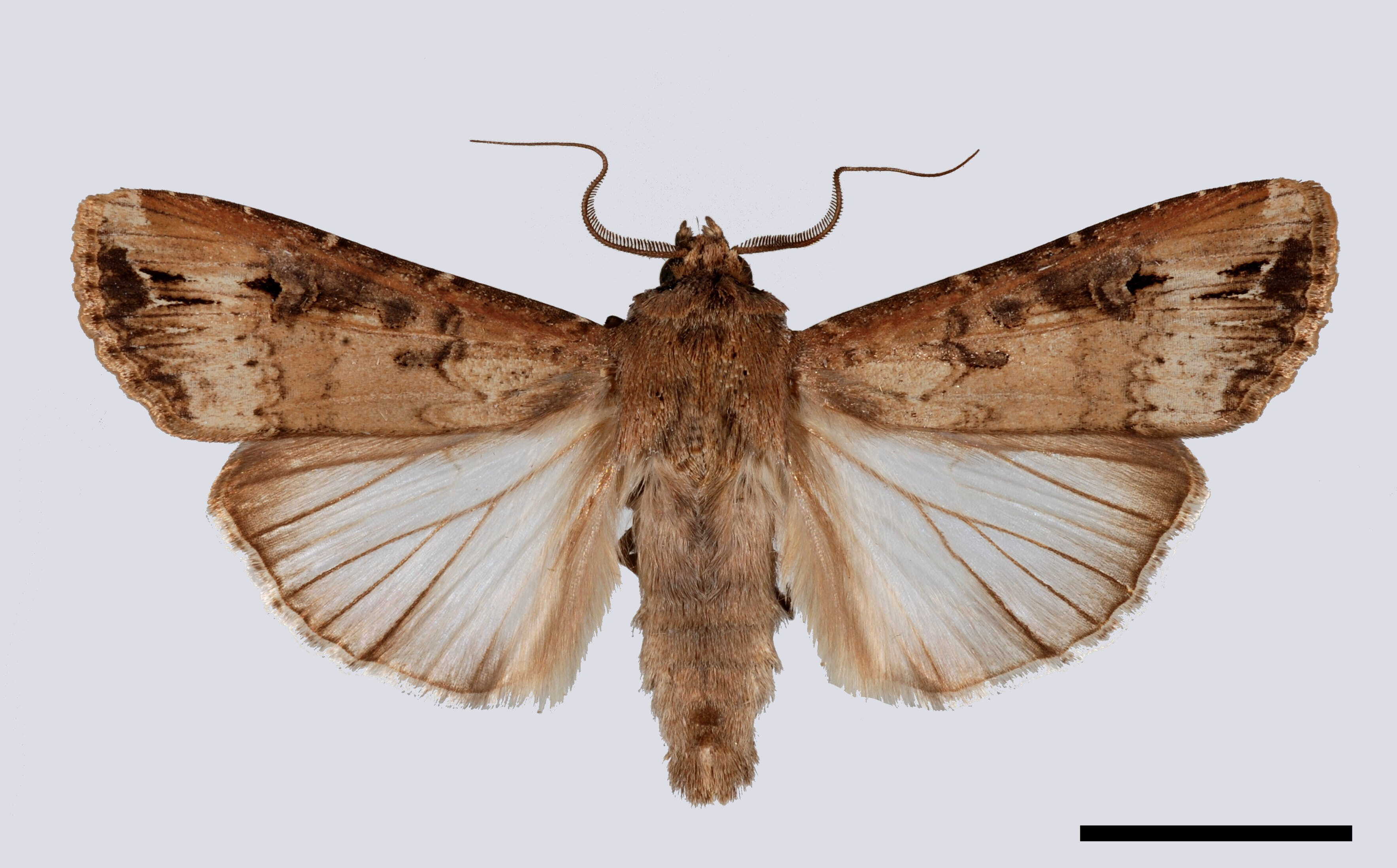
Identifying Cutworm Pest Pressure
Cutworms can destroy young tomato plants by chewing through stems at the soil line. Damage is often noticed when seedlings collapse suddenly. The caterpillars curl into a “C” shape when disturbed.
Biological Control Solution for Cutworms
Beneficial nematodes applied to soil target cutworms directly. When used at planting or when pest pressure is present, they bring cutworm pressure back under control and help protect young plants during early growth.
Hornworms
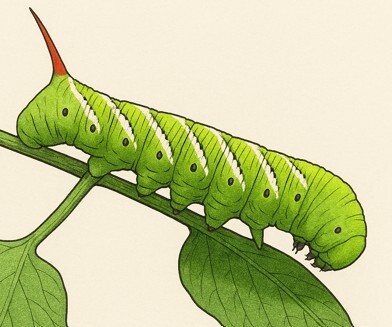
Identifying Hornworm Pest Pressure
Hornworms are large caterpillars that can remove significant foliage and damage fruit in a short period of time. Missing leaves and chewed fruit are common signs of pest pressure.
Biological Control Solution for Hornworms
Beneficial nematodes, including Steinernema carpocapsae, are used as part of biological caterpillar control programs. They can be applied when hornworms are present to bring pest pressure back under control.
Tomato Fruitworms
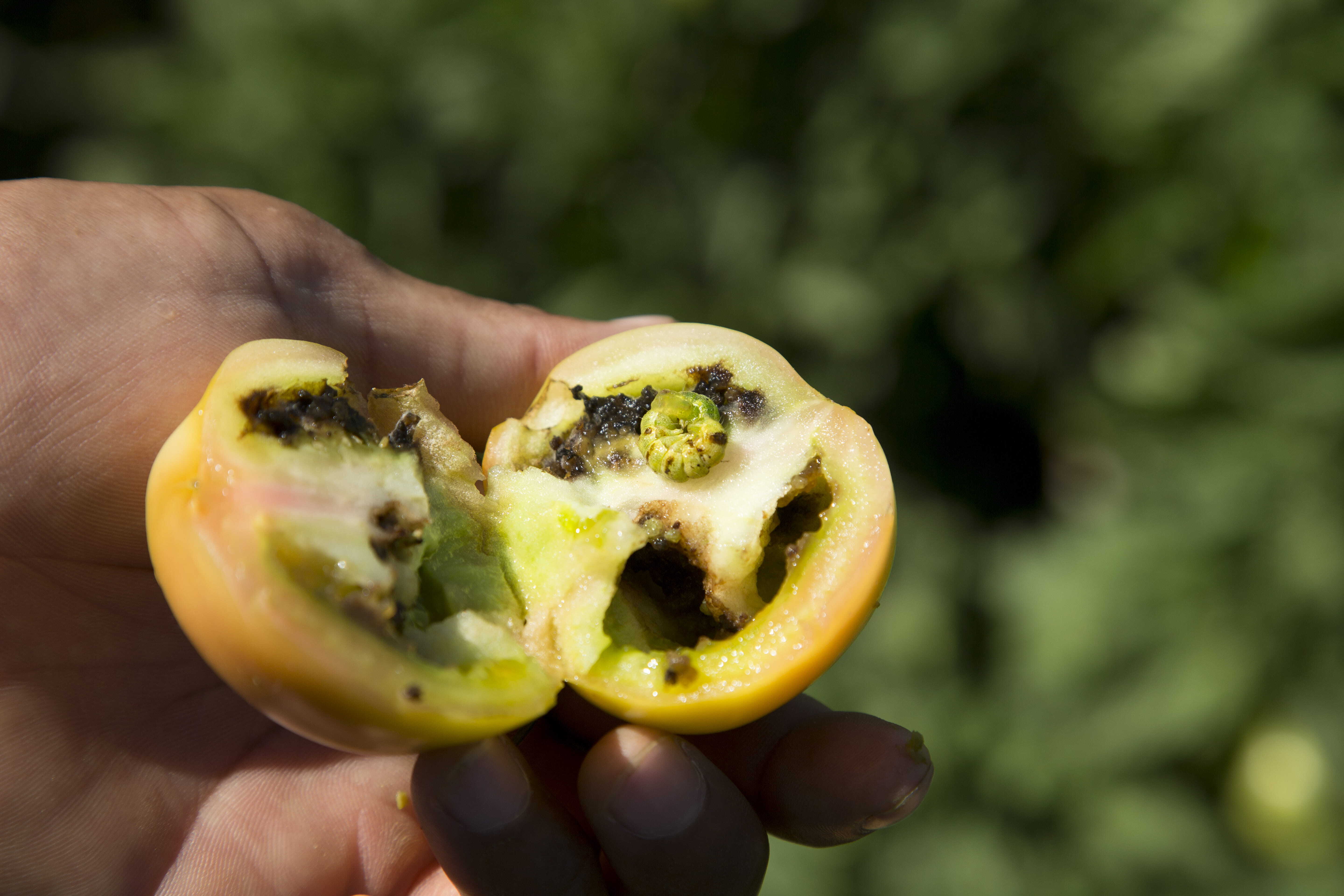
Identifying Fruitworm Pest Pressure
Tomato fruitworms damage plants by feeding on foliage and boring into developing fruit. Entry holes near the stem end of fruit, frass, and caterpillars feeding on plant tissue indicate active pest pressure.
Biological Control Solution for Tomato Fruitworms
Beneficial nematodes, including Steinernema carpocapsae, can be used curatively to bring fruitworm pressure back under control and keep it there when applied correctly.
Flea Beetles
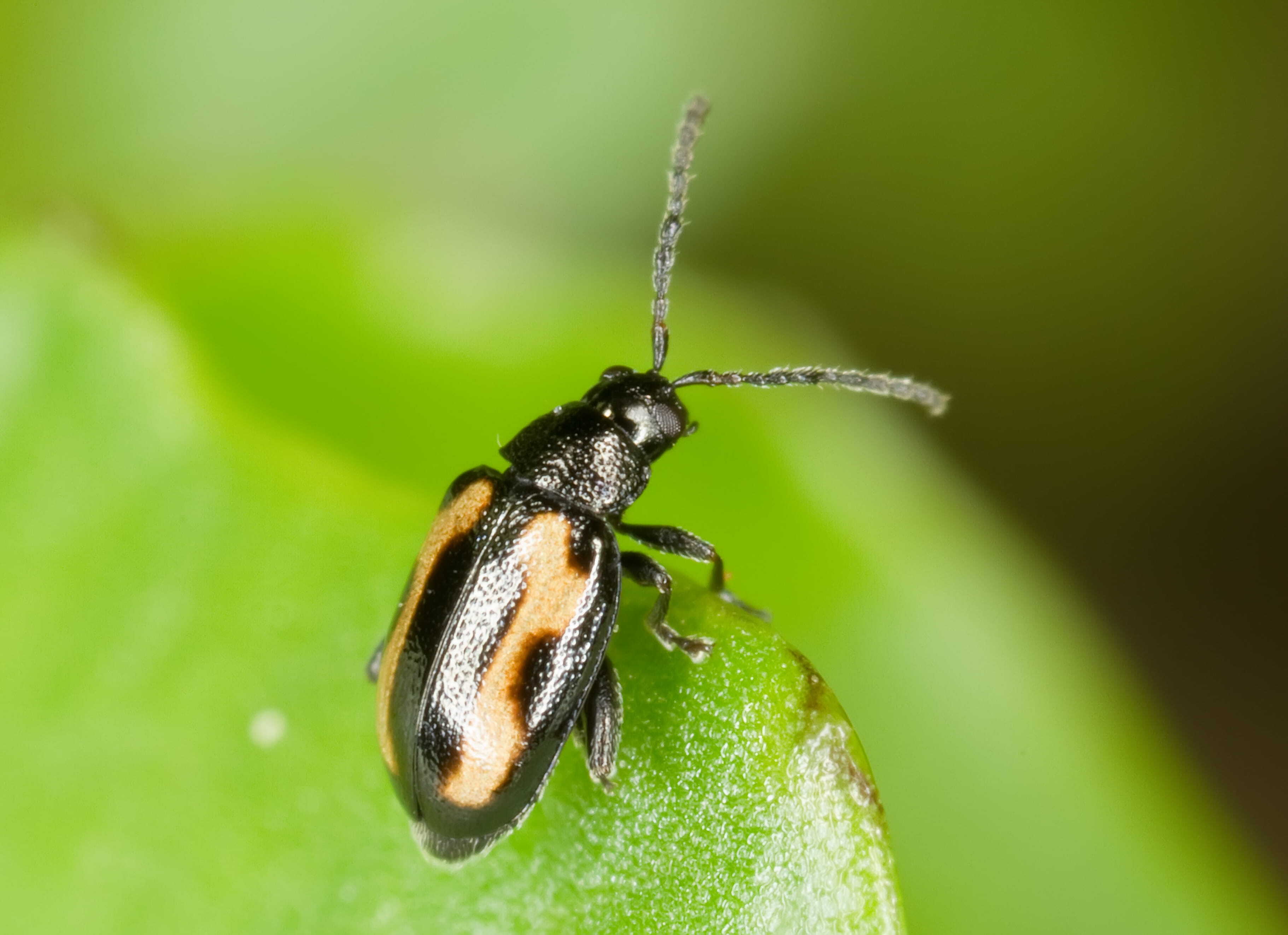
Identifying Flea Beetle Pest Pressure
Flea beetles damage young tomato plants early in the season. Pest pressure appears as small “shot holes” in leaves and beetles that jump when disturbed.
Biological Control Approach for Flea Beetles
Biological control focuses on early intervention and soil-stage support. Beneficial nematodes can be used as part of a program to address soil stages and help keep flea beetle pressure from escalating.
Stink Bugs
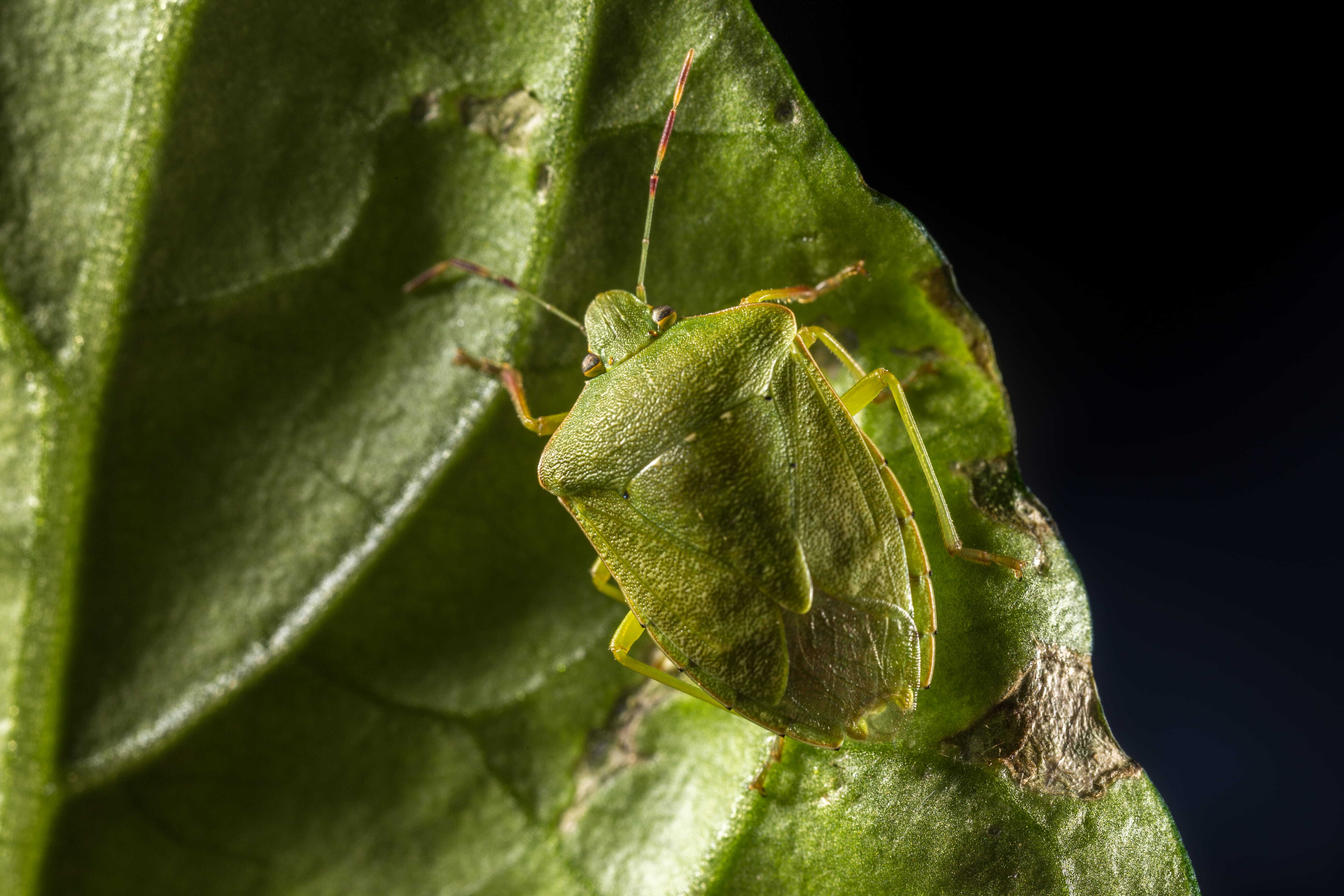
Identifying Stink Bug Pest Pressure
Stink bugs damage tomato fruit by feeding, which leads to pale spots and uneven ripening. Shield-shaped green or brown insects are often visible on plants or fruit.
Control Approach for Stink Bugs
Stink bug control relies on early scouting and a consistent IPM strategy that avoids disrupting beneficial control already active in the crop. Catching pest pressure early improves control outcomes.
Nematodes (Root-Knot)
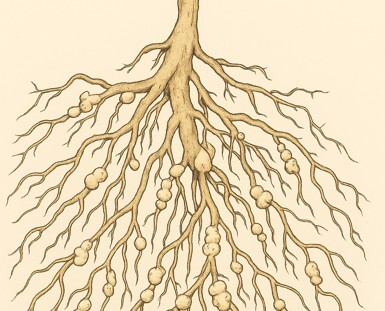
Identifying Root-Knot Nematode Pest Pressure
Root-knot nematodes damage tomato roots and reduce plant vigor. Above-ground symptoms include stunted growth, while roots show swollen or knotted areas.
Control Approach for Root-Knot Nematodes
This pest problem is addressed through soil-focused prevention, clean practices, and building a program that supports strong root health rather than reactive intervention.
Slugs and Snails
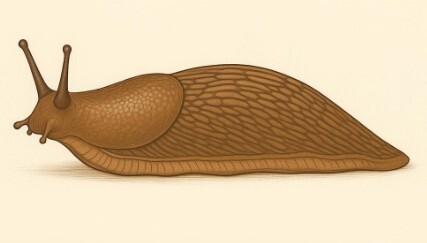
Identifying Slug and Snail Pest Pressure
Slugs and snails feed on foliage and fruit, especially in damp conditions. Irregular feeding damage and slime trails are common signs.
Control Approach for Slugs and Snails
Environmental control, moisture management, and direct removal help bring slug and snail pressure back under control.
Final Thoughts
Tomato pests are common. Losing plants to pest pressure is not.
With the right biological control strategy, beneficial insects, mites, and nematodes provide effective pest control — bringing pest pressure back under control and keeping it there, or preventing problems from surfacing meaningfully in the first place.
Related Articles
Miglyphus (Diglyphus isaea) — Targeted Leaf Miner Control
https://naturalenemies.com/news-and-information/miglyphus-diglyphus-isaea-targeted-leaf-miner-contr…
Capsanem (OMRI) — Steinernema carpocapsae
https://naturalenemies.com/news-and-information/capsanem-omri-steinernema-carpocapsae/
What Is Entomite‑M?
https://naturalenemies.com/news-and-information/what-is-entomitem/
Sized for Success: Introducing the 125k Entomite‑M
https://naturalenemies.com/news-and-information/sized-for-success-introducing-the-125k-entomitem-fo…
Grow Better Fruit With Natupol®: The Most Reliable Pollination System for Greenhouses
https://naturalenemies.com/news-and-information/grow-better-fruit-with-natupol-the-most-reliable-pollination-system-for-greenhouses/
