
Target Pests
Dec 02, 2025
Click on one of the target pests below for more information about how to defend against, and control this pest.
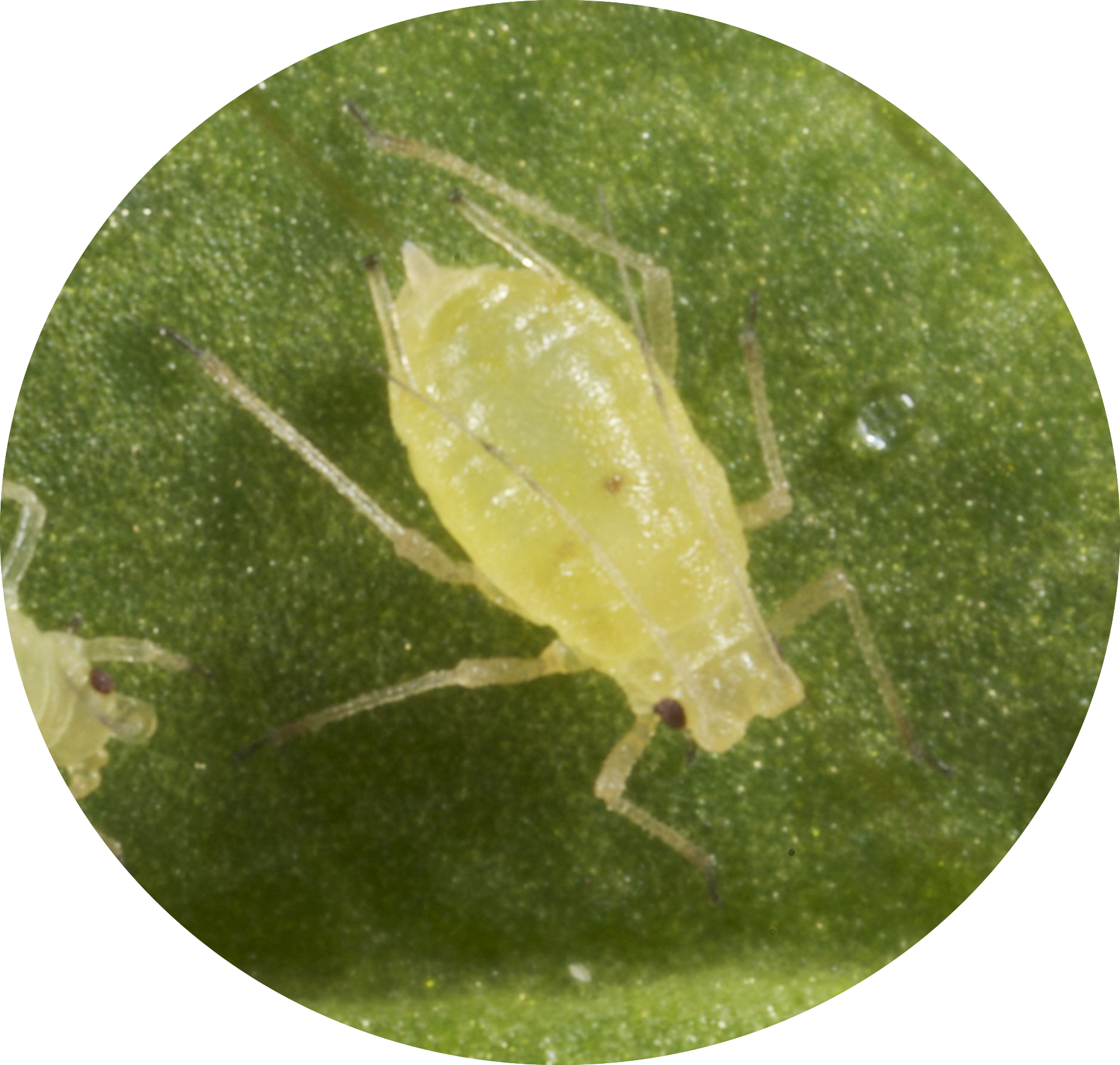
Aphids
What to look for: Reduced growth, honeydew, and their common companion: ants!
- Significant rate of reproduction.
- Success using biocontrols requires an early start and regular maintenance.
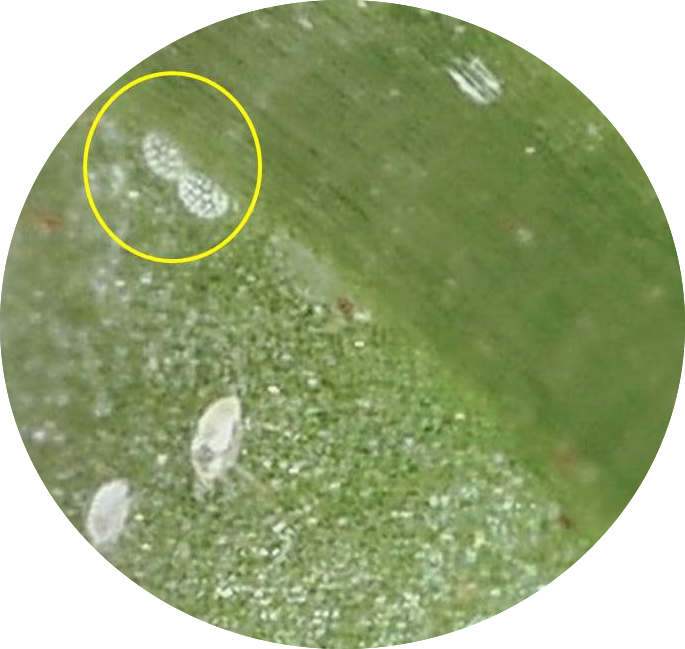
Broad Mites
What to Look for: Distorted growth.
- Small size makes ID difficult.
- Eggs are covered in 'jewel-like' tuberacles.
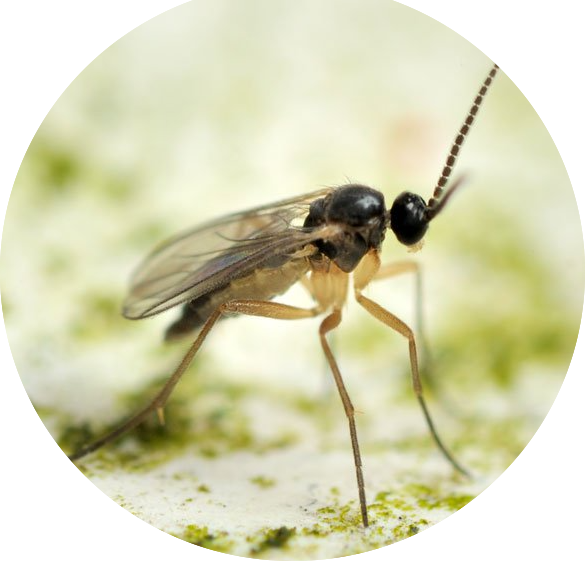
Fungus Gnats
What to look for: Gnats with distinct 'Y' vein on wings.
- Black-headed larvae, which feed on roots.
- Fungus gnats are attracted to persistently wet soils.
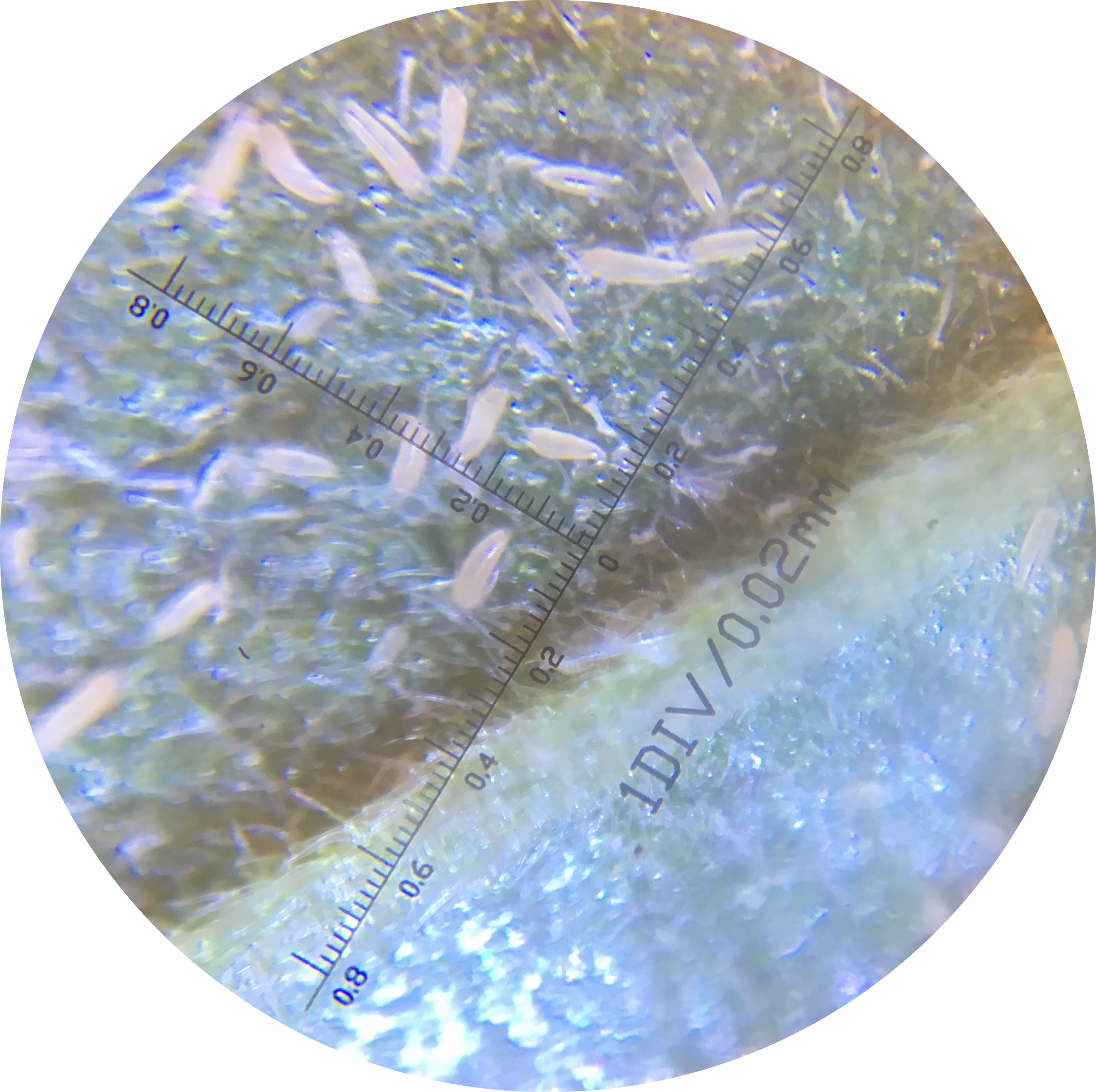
Hemp Russet Mites
What to look for: Leaf 'taco'-ing or yellowing at leaf edges.
- Easily spread onto clones, clothing, and will travel on the wind.
- Invisible to the naked eye.
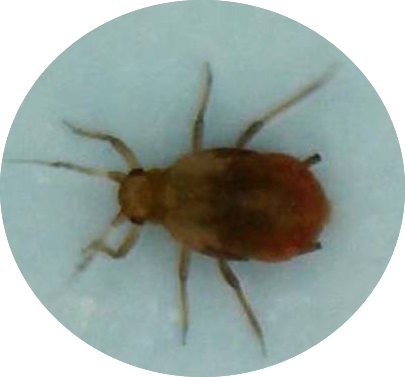
Root Aphids
What to look for: Leaf chlorosis (yellowing) and reduction in yield.
- Both winged and non-winged aphid adults crawl around pots and stems.
- Spread primarily through contaminated soil.
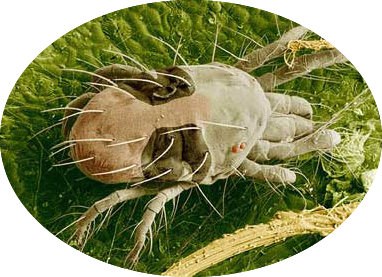
Two-Spotted Spider Mites
What to look for: Leaf stippling and webbing.
- Spider mites thrive in high heat and low humidity.
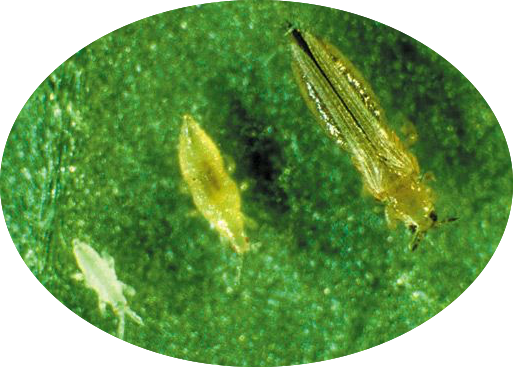
Western Flower Thrips
What to look for: Blotchy feeding damage and black spots from frass (waste products).
- Thrips have 5 distinct life cycles, making control complex.
- Incredibly high reproductive potential makes early action critical.
Mealybugs and Scale
What to look for: White cottony clusters (mealybugs) or hard, shell-like bumps (scale) on stems and leaves.
- Both pests feed on plant sap, causing yellowing and stunted growth.
- Often accompanied by sticky honeydew and sooty mold.
Shop Mealybug & Scale Solutions
Beetles
What to look for: Chewed leaves, stems, or flowers; irregular holes in foliage.
- Adults and larvae can damage roots and foliage.
- Some species feed at night, making detection harder.
Whitefly
What to look for: Tiny white insects that fly up when plants are disturbed.
- Cause leaf yellowing and transmit plant viruses.
- Produce honeydew that leads to sooty mold.
Powdery Mildew
What to look for: White, powdery fungal growth on leaves and stems.
- Thrives in warm, dry conditions with poor air circulation.
- Can severely reduce plant vigor and yield.
Leafhopper
What to look for: Small, wedge-shaped insects that jump when disturbed.
- Cause stippling and yellowing on leaves.
- Can transmit plant pathogens.
Leafminer
What to look for: Winding, white trails inside leaves.
- Larvae feed between leaf layers, reducing photosynthesis.
- Heavy infestations can cause leaf drop.
Fleas
What to look for: Tiny jumping insects on soil or plant surfaces.
- Can damage seedlings and transmit diseases.
- Often found in outdoor or greenhouse environments.
Flies
What to look for: Adult flies around plants; larvae in soil or decaying matter.
- Some species feed on plant sap or roots.
- Can spread fungal spores and bacteria.
Caterpillars
What to look for: Large holes in leaves and chewed stems.
- Larvae consume foliage rapidly, causing severe damage.
- Frass (droppings) often visible near feeding sites.
Nematodes
What to look for: Stunted growth, yellowing, and root galls or knots.
- Microscopic worms attack roots, reducing nutrient uptake.
- Often spread through contaminated soil or water.
