
Solving Aphids
Dec 26, 2025
Long story short, solving aphids is best achieved by staying on top of them. Once you know what to look for, you can wash the pests off the plant. Some people squish them between their fingers. Then keep your eyes peeled because once you spot aphids you’re going to be seeing more of them soon.
If there are too many plants to simply wash or squish, like in a greenhouse setting, aphid populations can quickly get out of control. These pests have extremely high reproductive rates so it’s important to identify them early, then swiftly treat them with the appropriate solutions. After that, maintain a preventative approach.
What To Look For
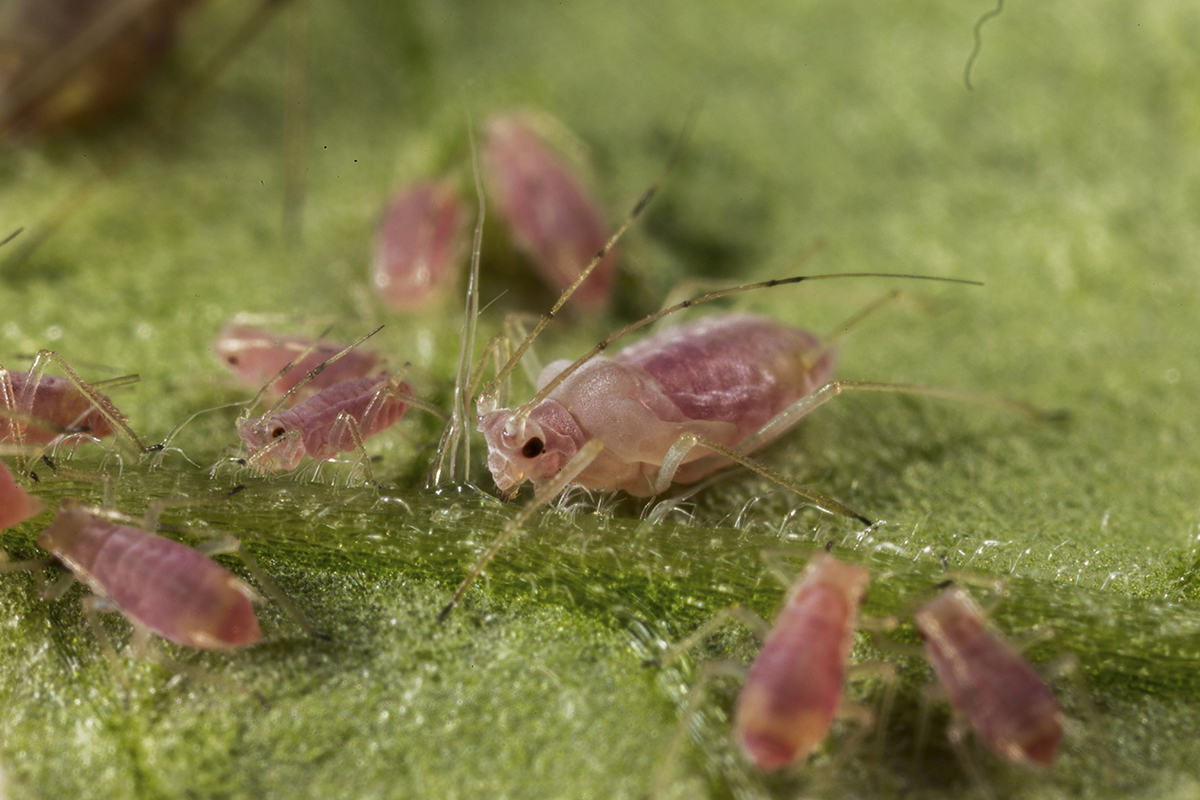
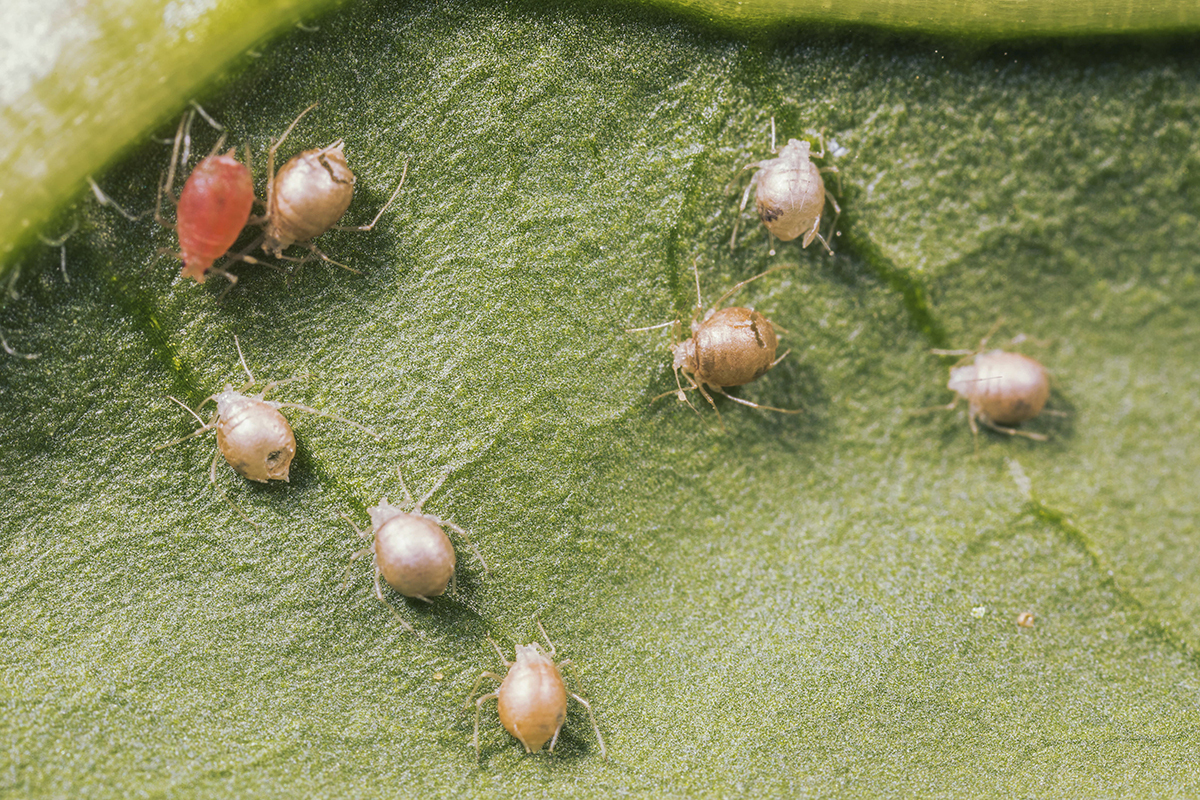
There are over 5000 known species of aphid in the world. That’s right—wow. Certain varieties are more common in a given environment and plant, of course. Features used to identify aphid species in the field include head shape, cornicles (AKA tailpipes, a pair of protruding dorsal tubes), and antennae length. It’s often easier to identify the damage than the species.
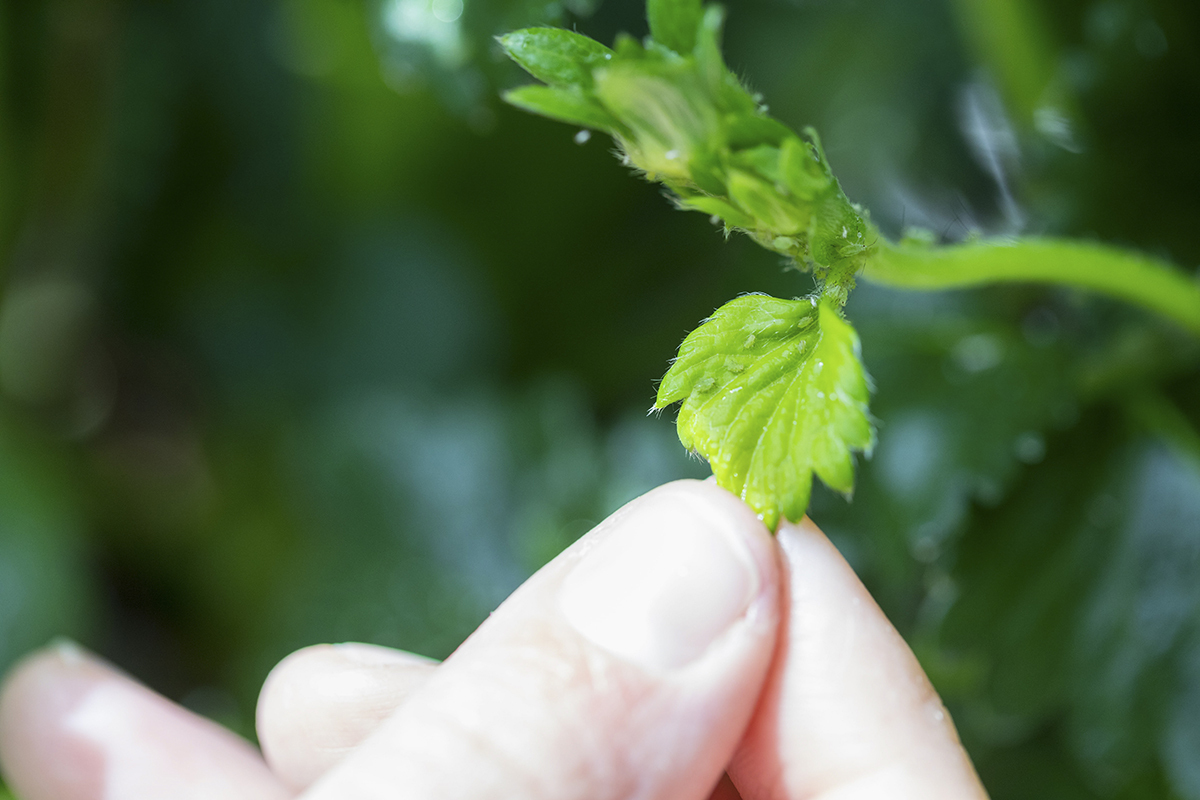
Aphid nymphs and adults extract nutrients from plants, disturbing the balance of plant growth hormones and disrupting photosynthesis. Stunted growth gives rise to deformed leaves or, if the pest pressure occurs early enough in the season, the death of young plants.
Honeydew, a sugary waste product secreted by aphids, makes crops and their fruit sticky. Black fungal molds (Cladosporium spp.) grow on the honeydew, contaminating fruit and ornamental crops and rendering them unsuitable for market. Some aphid species, such as green peach aphid and cotton aphid, are prolific vectors for plant viruses.
Aphid Life Cycle
Built to survive, aphids have a rather complex reproductive process. For the most part, females reproduce via parthenogenesis, as in they do not need to mate with males. They give birth to live young—nymphs who are clones of their mother. Nymphs developing inside their mother may have their own embryos developing inside of them, giving rise to telescopic generations of aphids.
Newly born nymphs generally undergo four to five molts before reaching adulthood. Their shedded white skins are one way of noting their presence on a plant. Occasionally winged forms known as alatae develop. These are normally female and serve the purpose of spreading the colony.
Alatae may also appear in the autumn months, when outdoor populations prepare for winter. Winged females mate with (sometimes winged) males, then lay eggs as a means to overwinter. In the spring the process repeats itself.
Biology
Aphids have piercing/sucking mouthparts that they use to feed on plant sap. Because the sap is rich in sugars but low in protein, the pests extract large quantities and expel the excess in a sticky waste product called honeydew. Their iconic cornicles are used to secrete an alarm pheromone, warning other nearby aphids of danger.
I See Aphid Damage, Now What?
When you see evidence of aphids, such as deformed leaves or molted white skins, it’s vitally important to act quickly. Due to their rapid reproduction it’s possible for aphids to overwhelm a biosolution if not caught in time. In that case, other measures, such as chemical pesticides, may need to be taken.
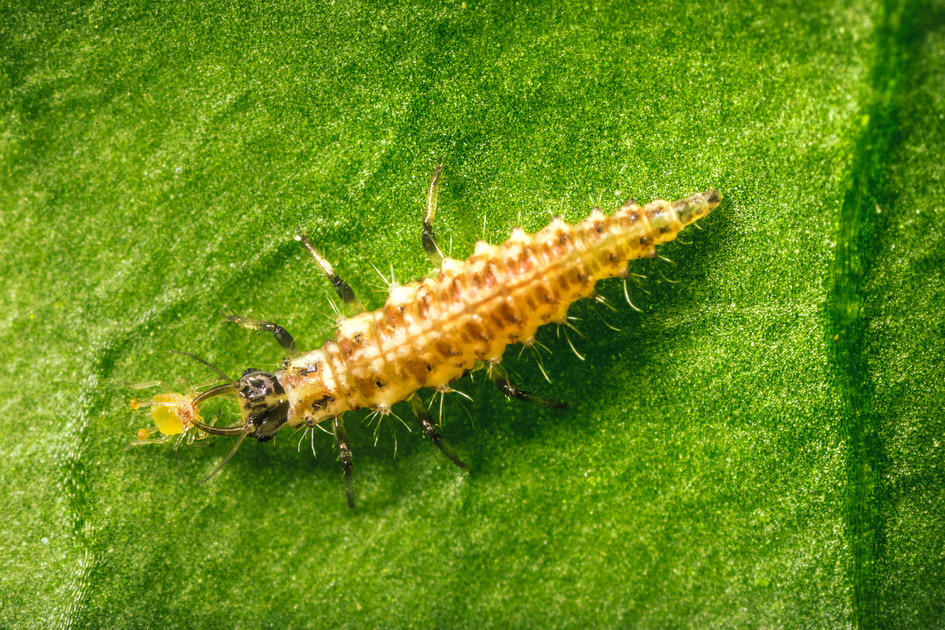
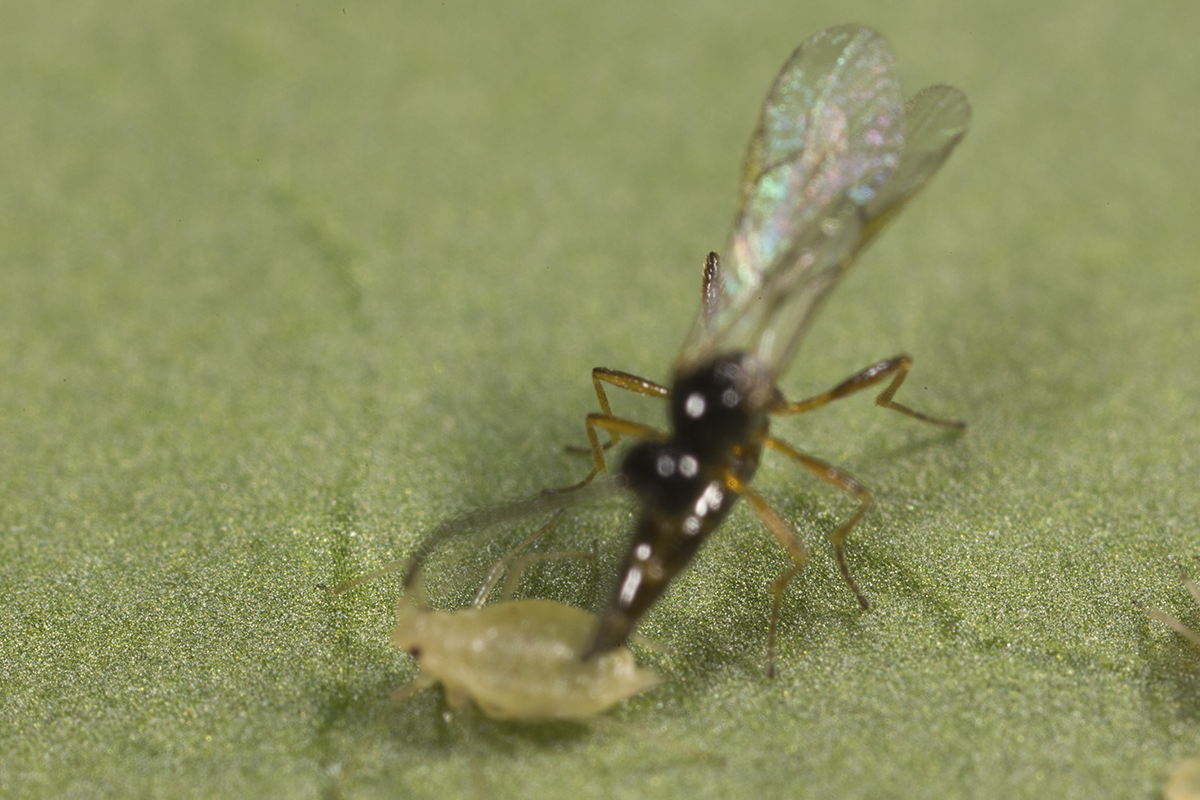
Biosolutions are similar for most aphids. Exceptions occur when a predator is host-specific, such as Aphipar (Aphidius colemani). It only attacks a few species: cotton aphid, green peach aphid, and tobacco aphid. When using this type of solution it’s important to know which species of aphid is present in a plant or crop. Other aphid predators, such as Chrysopa (Chrysoperla carnea) and Aphidend (Aphidoletes aphidimyza) have a broad host range, feeding on dozens of different aphid species.
Natural Enemies recommends:
Aphidalia (Adalia bipunctata, predatory beetles)
Aphidend (Aphidoletes aphidimyza, predatory gall midges)
Aphipar (Aphidius colemani, parasitic wasps)
Aphipar-M (Aphidius matricariae, parasitic wasps)
Chrysopa (Chrysoperla carnea, predatory lacewings)
Ervipar (Aphidius ervi, parasitic wasps)
Isarid Mycoinsectide (Isaria fumosorosea, beneficial fungi)
I Don’t See Any Aphids And I’d Prefer Not To…
Although small populations of aphids are not typically a concern on their own, their ability to reproduce quickly and at an extremely high rate is of great concern. Monitoring plants regularly is key but prevention is the best way to ensure these pests never become an issue. In outdoor settings during spring and late summer, it’s a good idea to introduce low numbers of aphid predators to nip them in the bud.
Additional Notes
*Ants farm aphids for their honeydew, often protecting the pests from predators. If ants are present on a plant they must be brought under control first, for a biosolution to be successful.
*Over-fertilization with nitrogen can increase the size and severity of aphid pressure by increasing the amino acid content of the plant sap.
Deeper Dives:
The Aphid Lion & The Mealybug Destroyer: Learn about one of the most effective predators of aphids and a “Mealybug Destroyer” with a voracious appetite.
Common plant pests: A rundown of common pests in agriculture and horticulture, complete with detailed information on damage symptoms, life cycles, and effective control strategies. Includes links to pages for each of the common aphids a grower is apt to experience.
Green peach aphid: In-depth look at a major insect pest in many greenhouse crops. Includes a closeup video of the life cycle of aphids.
Predatory insects: Familiarize yourself with predatory bugs in this primer, and learn of the benefits they offer as alternatives to chemical pesticides.
Biological Pest Control: An explanation of biological pest control as a method of managing pests using natural agents such as predators, parasitoids, or pathogens as part of integrated pest management (IPM) strategies.
New Approach Significantly Reduces Aphids in Soft Fruits: Behind the scenes look at the first grower to cultivate raspberries in a greenhouse under artificial lighting and his search for a more effective way of tackling aphids.
