


Spical Ulti-Mite Sachets
Write a Review

Spical Ulti-Mite Sachets
Spical Ulti-Mite Sachets (Neoseiulus californicus) — Predatory Mite for Spider Mite Control
Spical Ulti-Mite sachets contain Neoseiulus californicus, a proven predatory mite for controlling spider mites & mite species. Ulti-Mite sachets are designed for long-term, preventative coverage, especially useful for situations where humidity and temperature fluctuate. Unlike standard sachets that falter in dry or high-RH conditions, Ulti-Mite sachets maintain consistent predator release across zones. Spical Ulti-Mite is chemical-free and safe for use in any growing environment including greenhouses, nurseries, orchards, flower beds, interiorscapes, outdoor landscapes, indoor plants including houseplants and more.
Key Advantages of the Ulti-Mite Sachet Format
Humidity tolerance: Reliable release in dry or high-RH environments
Extended release window: 4–6 weeks of continuous predator emergence
Compostable packaging: Industrially compostable film reduces plastic waste
Low-maintenance deployment: Hang and monitor
Use For
Spical Ulti-Mite targets all life stages—eggs, nymphs, and adults—of many mite species, including:
Two-spotted spider mite (Tetranychus urticae and other varieties)
European red mite (Panonychus ulmi and other varieties)
Citrus red mite (Panonychus citri and other varieties)
Other common greenhouse and field spider mites
Flat Mites aka False Spider Mites (Tenuipalpidae Varieties)
As a Type II predatory mite, Neoseiulus californicus can also feed on:
Tarsonemid mites (e.g., broad mites, Polyphagotarsonemus latus)
Eriophyid mites (e.g., russet mites, Aculops lycopersici)
*For dedicated broad and russet mite control, we recommend Anso-Mite
Curative Note:
Pair sachets with Spical bulk bottles and/or Spidex for curative control. In the case of an active problem, Ulti-Mite or Plus sachets work in tandem with bottle formulations to provide long-lasting clean up and prevention against population resurgence.
How It Works
Mode of Action: Mites pierce and consume pest eggs, larvae, and adults using their mouthparts
Behavior: Mites reproduce inside the sachet and disperse gradually over 4–6 weeks, producing multiple consecutive generations
Visual Effect: Pest populations decline as mites establish and feed
Release Duration: 4–6 weeks depending on humidity and conditions
Sachet Type: Ulti-Mite compostable film; reliable in dry or humid conditions
Feeding Rates:
Nymphs and adults feed on eggs, larvae, and adult stages of mite species, preferred target is spider mites
Consumption varies by prey stage and conditions, typically 5-15 items per day under optimal conditions
Release Rates & Placement
| Pressure Level | Rate per Plant or every 10 sq ft if canopies touch | Repeat Interval |
|---|---|---|
| Preventative | 1 sachet | Every 3–6 weeks |
| Curative | 1 sachet (paired with bottles) | Every 3 weeks or as needed |
Placement Tips:
Hang sachets in sheltered spots, away from direct sun or heat
Hold by cardboard strip to avoid damage
Do not open sachets, the exit hole is pre-made
Open shipping box in crop and tear sachets along perforations
For vertical crops, place sachets above and below pest hotspots
Best Working Conditions
Temperature: Active from 55°F to 90°F; optimal range 68–86°F
Humidity: Performs well even below 60% RH
Reproduction Peak: Fastest at 86°F
Compatibility Guidance
Avoid broad-spectrum pesticides before and after release
Allow residues from oils or soaps to dry before application
Compatible with Phytoseiulus persimilis and Feltiella acarisuga
For compatibility details, check our Natural Enemies - Chemical Compatibility Table and Beneficial Insect & Pesticide Compatibility Table
Product Specifications
Pack Size: 25 or 100 or 500 sachets
Mite Count: 250 predatory mites per sachet
Sachet Type: Ulti-Mite compostable film
Appearance: White sachets with release hole; mites are beige and fast-moving
What to Expect
Reliable predator emergence for long-term protection
Each Ulti-Mite sachet delivers a steady stream of predatory mites for 4–6 weeks, ensuring continuous suppression of spider mites and related pests. Mites emerge progressively, establishing across plant surfaces and targeting pest eggs and larvae before populations can increase.
Consistent performance in challenging conditions
Ulti-Mite sachets maintain release rates even under dry or high-humidity conditions. Whether in greenhouses, propagation zones, or indoor environments, expect dependable predator activity without interruption.
Low-maintenance, high-impact control
Once hung, sachets require no further handling. Mites disperse naturally, reducing the need for frequent reapplication.
Recommended IPM Pairings
Spidex for aggressive spider mite knockdown
Spical bottles for curative coverage and hotspot targeting
Swirskii sachets for layered thrips and whitefly control

Long-term storage, i.e. more than 48 hours, is not recommended. Apply promptly after receipt. Our products are shipped fresh for immediate use to ensure maximum performance. If needed, keep in a cool, dark, dry place for up to 1–2 days; longer holding reduces effectiveness and quality.
Yes - sachets contain a mix of life stages, including adults, juveniles, and eggs.
Yes, all of our solutions are completely safe for people, pets, and plants. They are great for use in commercial facilities both indoor and outdoor as well as for enclosed environments like homes, offices, herb gardens and interiorscapes.
Sachets are designed for prevention and steady maintenance. You can also use them alongside bottles when you need ongoing control during an active issue. Once the sachet is placed, predatory mites begin feeding right away, and their numbers increase over the next 4–6 weeks as new generations emerge from the sachet. With new generations developing steadily over time, sachets deliver consistent preventative coverage across the area.
Spical is not recommended for tomato crops. Tomatoes have natural resistances to certain predators, making it difficult for Spical to maneuver and hunt on the plant. There is no harm to using Spical in any set-up, however Spical's performance in tomatoes is subject to the specific species of tomato and its maturity. For tomatoes we recommend using Thripex sachets to control thrips and Spidex to control spider mites. These predators can navigate mature tomato plants.
Ulti-Mite sachets are made from compostable film and tolerate humidity and temperature fluctuations. PLUS sachets are made from paper and should only be used in stable environments. Ulti-Mite is the preferred choice in most scenarios.
Other Products Growers Love

Spical PLUS Sachets (Neoseiulus californicus) — Predatory Mite for Spider Mite ControlSpical PLUS co…

Spidex Vital GO Sachets (Phytoseiulus persimilis) — Predatory Mite for Spider Mite ControlSpidex Vit…
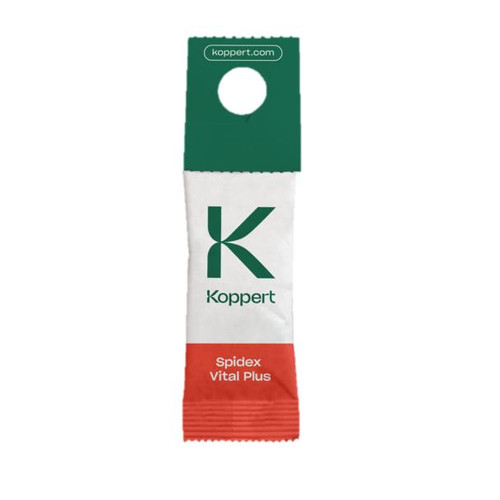
Spidex Vital PLUS Sachets (Phytoseiulus persimilis) — Predatory Mite for Spider Mite ControlSpidex V…

Spidex Bottle (Phytoseiulus persimilis) — Predatory Mite for Spider Mite Control Spidex bottles cont…

Spical Bottles (Neoseiulus californicus) — Predatory Mite for Spider Mite Control Spical bottles con…
