
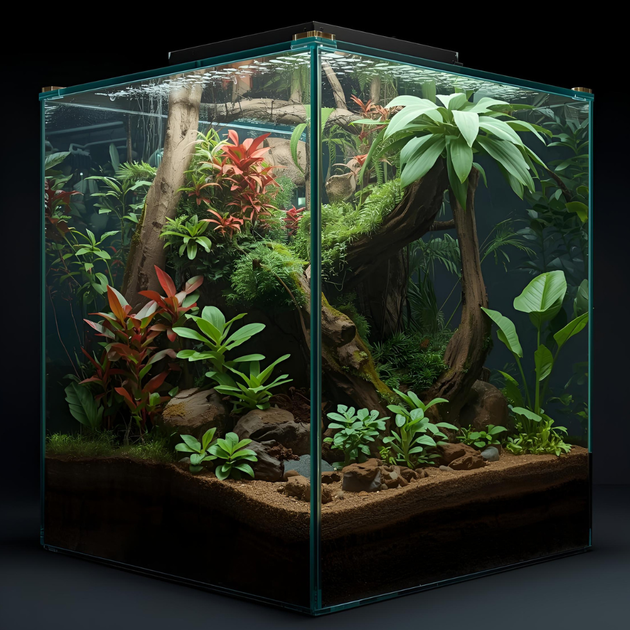
Healthy Bioactive Enclosures and Predatory Mites
Nov 04, 2025
Bioactive reptile setups aren’t just stunning displays—they’re dynamic ecosystems. Every layer—substrate, plants, microfauna, microbes—interacts in a soil food web that’s always shifting. When balance holds, waste breaks down naturally, plants root deeply, custodians recycle nutrients, and the enclosure feels self-sustaining. When balance tips, challenges emerge: soil pests, humidity swings, mold blooms, microfauna surges, and parasite risks—all in a system that isn’t designed for routine tear downs.
The Four Problem Areas Most Keepers Encounter
- Soil Pests (and Why They Thrive)
- Fungus gnats (Bradysia spp.): Adults annoy; larvae damage roots, especially in moist, organic substrates.
- Thrips: Often arrive on live plants; pupate in soil, so populations rebound even after foliar actions.
- Root aphids: Hide and feed in the rhizosphere, reducing vigor and nutrient uptake.
These pests succeed for predictable reasons: moisture + organic matter + shelter—the same conditions that favor custodians also favor pest life stages.
- Humidity & Mold (The Balance Problem)
Humidity supports reptile shedding and airway health, but excess moisture + low airflow accelerates mold growth and favors pests like fungus gnats. - Microfauna Imbalance
Springtails and isopods are beneficial, but population explosions can occur with abundant food and constant moisture. - Parasite Risks
Internal parasites that reptiles shed in feces can persist in moist substrate. - Snake mites (Ophionyssus natricis)add another layer: while they live on reptiles as adults, their eggs and early instars can remain in substrate. This makes enclosure-level control critical after animal treatment.
Prevention Beats Cure
- Moisture discipline: Match humidity to species needs; provide drainage and airflow; avoid keeping substrate perpetually saturated.
- Plant hygiene & quarantine: Many pest introductions ride in on plants/soil. Inspect, rinse, and quarantine plant material.
- Right-sized feeding & cleanup: Excess food fuels custodians (good) and pests (bad). Remove uneaten perishables promptly.
- Monitoring: Watch for adult gnats, leaf scarring (thrips), wilting (root aphids), unusual custodian surges, and mold blooms.
Biological Controls in Context—and Where Entomite-M Fits
What Is Entomite-M?
Entomite-M is a biological control product containing Stratiolaelaps scimitus, a soil-dwelling predatory mite. For a deep dive on using Entomtie-M in bioactive setups/reptile enclosures check out our resource here(How Entomite‑M Works in Bioactive Reptile Enclosures - Natural Enemies). These mites are tiny (<1 mm), light brown, and stay underground—never climbing plants or animals.
What Do They Eat?
- Fungus gnat larvae
- Thrips pupae
- Root aphids
- Plant-parasitic nematodes
- Springtails (moderated, not eliminated)
- Snake mite eggs and early instars
Why Reptile Keepers Use Entomite-M
- Targets pest stages in the substrate before they become visible problems.
- Helps reduce reinfestation risk from snake mites when paired with proper animal-level treatment.
- Compatible with isopods and most custodians when applied at recommended rates.
How to Use Entomite-M
- Apply to the soil surface, not on plants or animals.
- Use preventively where living beings such as dart frogs or snakes are involved, for plant-only enclosures use preventatively or at first sign of presence
- Typical dosage: 100–500 mites per square foot depending on pest pressure and enclosure size.
Important Note on Snake Mites
Entomite-M is not a treatment for mites on the reptile itself. Always follow veterinary protocols for animal care. Use Entomite-M in the enclosure before as a preventative or after veterinary recommended treatment to intercept soil stages and prevent reinfestation.
When to Consider a Rebuild
- Persistent root aphid pressure despite cultural and biological steps.
- Runaway mold tied to structural design (no drainage, poor airflow).
- Confirmed snake mite or parasite presence
Bioactive reptile enclosures reward keepers with natural beauty and functional ecosystems—but they demand proactive care. Success comes from understanding that every element, from substrate moisture to microfauna balance, influences pest dynamics. Cultural discipline, vigilant monitoring, and biological allies like Entomite‑M create a system where prevention outpaces crisis. By integrating these steps, you protect your reptile’s health, preserve the integrity of your enclosure, and maintain the living balance that makes bioactive setups so compelling.
