
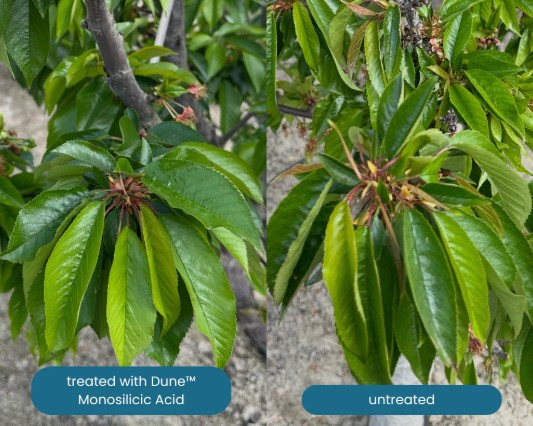
When More Fertilizer Is Not the Answer: Helping Plants Access the Nutrients They Already Have
Apr 08, 2026
Nutrient deficiencies are some of the most expensive problems growers face. Tip burn in lettuce. Blossom end rot in tomatoes. Bitter pit in apples. Soft or split fruit that never makes it to market. These issues affect quality, shelf life, and buyer confidence long before final yield numbers are counted.
The first response is often to add more fertilizer. More calcium. More potassium. More magnesium. Sometimes that works. Other times, it creates new problems like nutrient imbalances, tissue burn, excessive vegetative growth, or rising input costs with little improvement.
In many cases, the issue is not how much nutrient is applied. It is whether the plant can actually access and move that nutrient where it is needed.
Deficiency Does Not Always Mean the Nutrient Is Missing
Soils and growing media can contain adequate nutrient levels while plants still show deficiency symptoms. Nutrients can be tied up by pH, locked into the soil matrix, outcompeted by other ions, or unable to move efficiently once absorbed.
Calcium is one of the most common examples. Even when calcium is present in the root zone, developing leaves and fruit can still suffer. Calcium moves primarily through the water stream inside the plant. Heat stress, inconsistent irrigation, weak root systems, or rapid vegetative growth can interrupt that movement.
Adding more calcium does not always solve the problem if the plant’s internal transport system is not functioning efficiently.
Shifting the Focus From More to Available
An important change is occurring in nutrient management. Instead of asking how much more to apply, the focus is shifting to how plants can better use what is already present.
This includes supporting root health, improving water movement, and reducing internal stress that limits nutrient transport. One tool that plays a role in all three areas is silicon.
Silicon Does More Than Strengthen Plants
Silicon is commonly associated with stronger stems and tougher tissues. That benefit is real, but it is only part of the story.
When supplied in plant available form, silicon is taken up through the roots and deposited into cell walls. This reinforces plant structure and supports more efficient water movement and transpiration. In turn, this improves the delivery of nutrients such as calcium within the plant.
Silicon also helps reduce the impact of stress conditions such as heat, drought, and salinity. When stress is reduced, nutrient uptake and distribution tend to be more consistent.
Silicon does not replace fertilizers. It helps them function more efficiently.
Why Calcium Problems Respond to Silicon Support
Calcium is essential for cell wall stability, membrane integrity, and fruit quality. It plays a key role in firmness, shelf life, and resistance to physiological disorders.
Because calcium does not readily remobilize from older tissues, young leaves and fruit rely on steady internal transport. Silicon supports this indirectly by improving water movement, reinforcing vascular tissues, and reducing stress that disrupts nutrient flow.
This is why calcium related issues often improve when silicon is added, even without increasing calcium application rates.
Where Dune Fits
Dune supplies silicon as stabilized monosilicic acid, the form plants are able to absorb. Once inside the plant, silicon is integrated into tissues where it supports structure, internal transport, and stress tolerance.
Because Dune delivers silicon in a readily available form at very low use rates, it integrates easily into existing fertility programs without requiring changes to nutrient ratios or total fertilizer load.
For crops experiencing calcium related disorders, inconsistent nutrient uptake, or repeated stress, Dune is commonly used to improve efficiency rather than increase inputs.
Better Efficiency, Fewer Tradeoffs
Improved nutrient use efficiency allows growers to avoid excessive applications that contribute to imbalance or waste. Reduced over application means fewer issues such as fruit splitting, salt buildup, excessive vegetative growth, or unnecessary input costs.
Silicon also supports overall plant resilience, helping crops maintain uptake during periods when deficiencies are most likely to appear.
A Simple Addition With Long Term Impact
Dune applies at low rates and fits easily into fertigation or spray programs. It can be stored and used as needed, offering flexibility rather than requiring precise timing.
Instead of pushing systems harder with more fertilizer, Dune helps plants make better use of the nutrients already present.
Read more on the Impello Biosciences website: Beyond just “more inputs”: Silicon unlocks the nutrient pantry.
Related Articles
Fresh Beginnings Start Below the Surface
How to Solve Plant Health Problems
Climate, Crop Canopies, and Microenvironments
